
Defining a strategic vision for a leading Chinese smart energy solution provider.
This project bridged Western design thinking with traditional Chinese philosophy, specifically the teachings of Nan Huai-chin (南懷瑾), to develop a strategic vision for a family-run smart energy provider. By building a relationship-based narrative framework, the initiative translated deep-rooted cultural values into a shared strategic language, resulting in a cohesive corporate vision for future innovation.
Summary
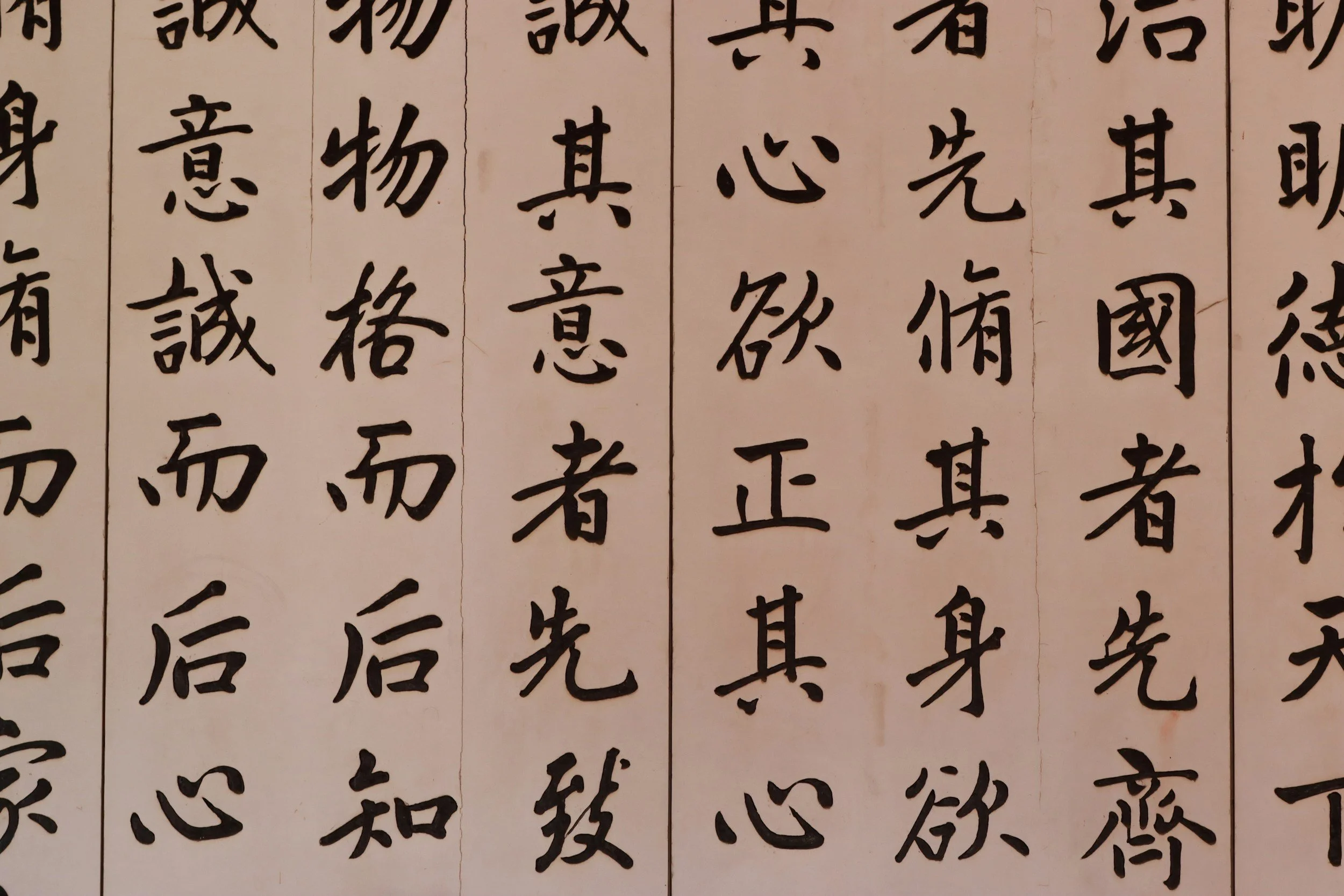

01 / The Challenge: Bridging Western Design with Deep Heritage
A prominent Chinese family-run smart energy provider needed to develop a strategic vision to drive business growth and future innovation. The core challenge was bridging Western design thinking with the client's deep-rooted Chinese heritage, anchored by the founding family's connection to spiritual teacher Nan Huai-chin, which required creating a shared language that neither side had yet articulated.
02 / The Strategic Focus: Translating Philosophy into Future Scenarios
As lead design researcher, I initiated the process of applying a cultural lens to decode traditional philosophy, identifying future scenarios where the company could excel while balancing market viability with strategic feasibility. By taking this proactive approach, I structured the framework to anchor future trends and innovation opportunities within the core values and foundational heritage of the business.
03 / The Approach: A Relationship-Based Narrative Framework
As lead design researcher, I connected design methodologies with the client's cultural foundations, crafting a relationship-based narrative framework inspired by Nan's teachings. Through stakeholder interviews, futuring, and prototype testing with inspirational consumers, this framework became the governing structure to validate emerging directions and build early trust with the CEO.
04 / The Impact: A Unified Corporate Vision
The narrative framework became the foundation of a corporate vision concept video that the entire organization could rally around, prompting the client's CEO to share:
“I'm very intrigued by the thinking of Chinese philosophy here. What kind of responsibilities do we convey as humans —between individuals, families, societies, and the environment? We need to cultivate an altruistic heart because social responsibility is essential.”
This holistic alignment successfully set a clear, evidence-based stage for the project's next phase.