
About Me
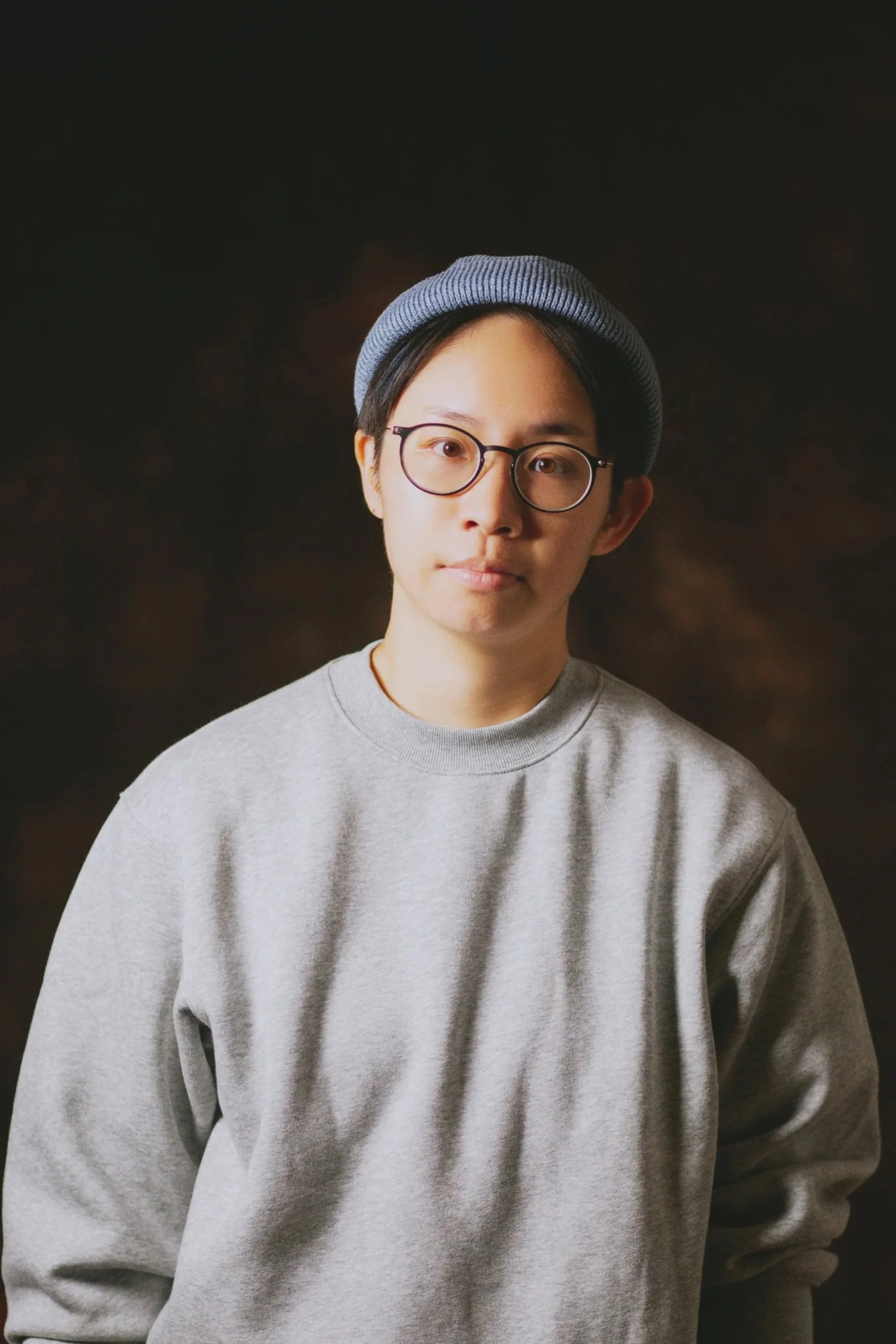
I'm Yu-rong - a design researcher, strategist and life coach based in Taipei, Taiwan.
Born in Taiwan. Grew up in China. Educated in Sweden. Never quite from one place, which turned out to be the most defining thing about me.
I work best as a thought partner -the person who helps you see what's already there and figure out where to go next.
At boutique consultancies like China Youthology, ReD Associates, and Metis, I learned how to move between conference rooms and living rooms - translating what real people think and feel into something organizations could actually use.
During my years at IDEO, I deepened that practice as a lead design researcher: working across cross-disciplinary teams, serving clients like Google, Nike, Volvo, and IKEA and Chinese listed companies, and always acting as the thought partner at the intersection of human insight, business strategy, and innovation.
The business problems I've helped solve tend to be moments of transition - when organizations need to see their customers differently, define a new business direction, or build confidence in a vision they can't yet fully articulate.
After more than a decade in consulting, I found myself drawn to a different kind of conversation. The moments that felt most alive weren't the strategy decks or client presentations, but the one-on-one exchanges where something shifted in the person across from me - that feeling of seeing someone, and being seen in return. I realized I didn't just want to empower organizations. I wanted to empower individuals. So I stepped onto the path of coaching, integrating Human Design with an ICF-accredited coaching framework, working with professionals navigating career crossroads and life transitions.
(→ Learn more at yurongcoaching.com)
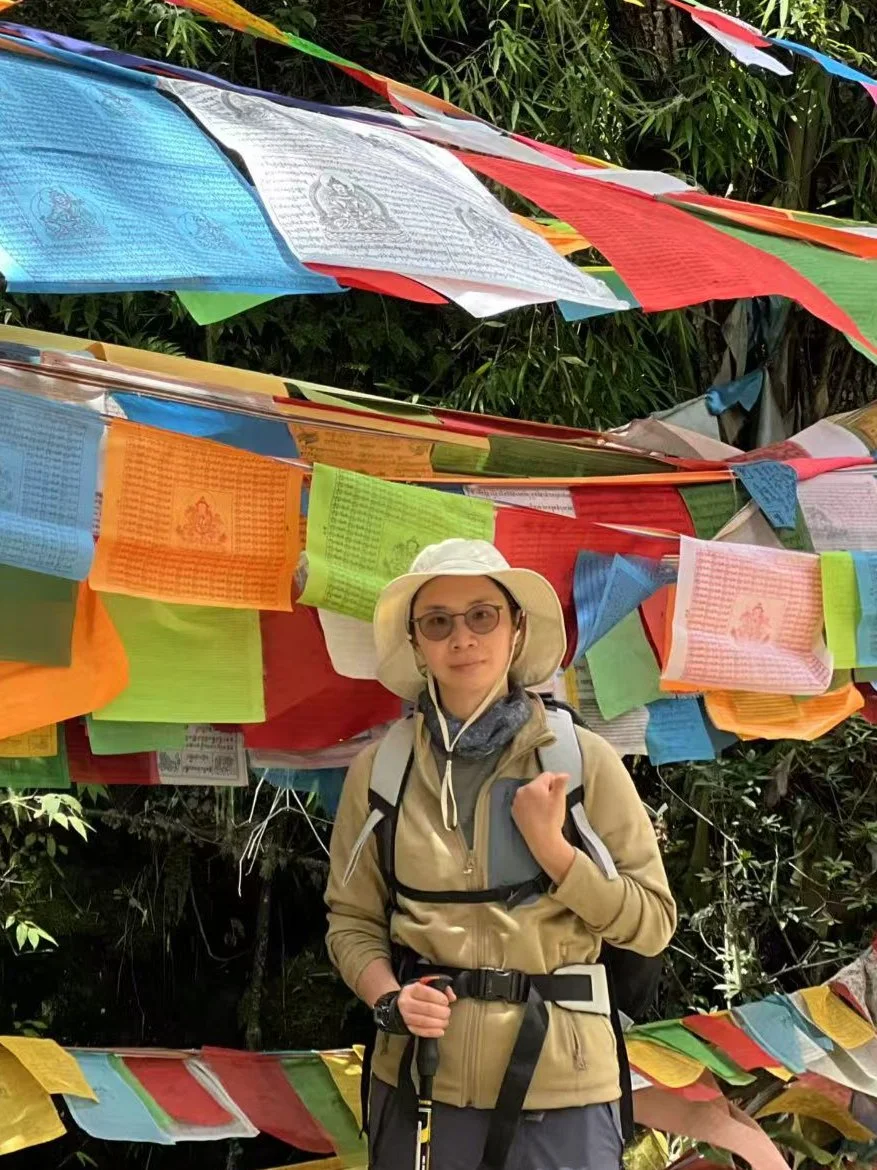
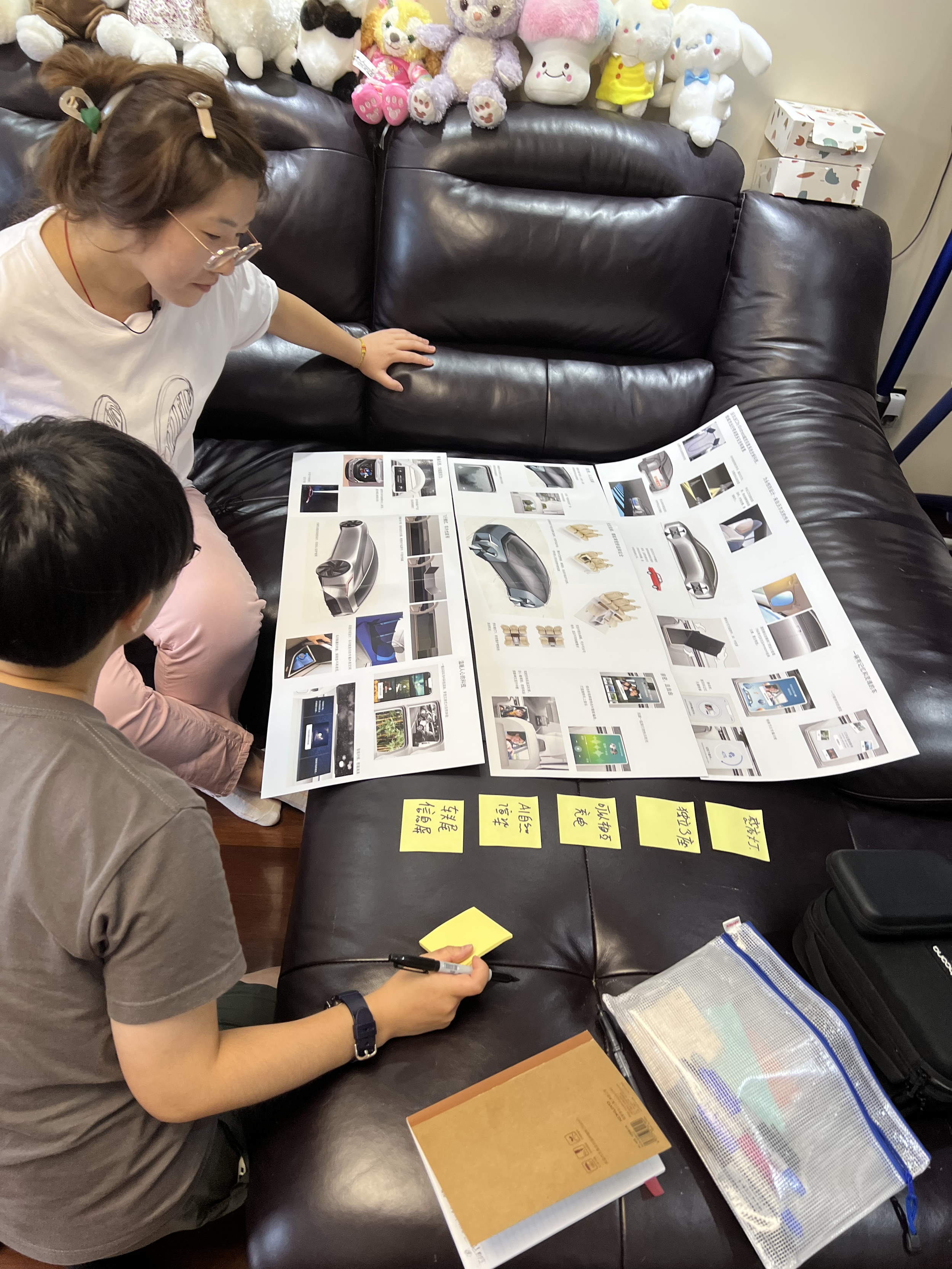
Using sacrificial concepts to gain real consumer feedback on what they actually need and aspireHiking in Shangri-laFacts about Me
M.A. in Applied Cultural Analysis, Lund University, SwedenBlogger and social media creatorDream: Camino de Santiago pilgrimageFluent in Chinese (Mandarin) and EnglishPronouns: she/her
My philosophy
Impactful research is human-centric.
I empathize with both the needs of my clients and the lived experiences of the people we study - not as users, but as full human beings.
Impactful research is integrative.
Research isn't a project kickoff activity, but rather a strategic mindset woven through every stage. It's about asking the right questions and keeping both inspiration and focus in the room.
Impactful research drives real action.
A deep understanding of the business context is what separates insight that sits in a deck from insight that drives real innovation and strategic execution.
People matter more than methodology.
The best thinking comes from diverse instincts and perspectives in the room, not strict adherence to method.
Hypotheses are a starting point, not a constraint.
I see hypotheses as anchors that foster openness. Not every innovation needs to begin with a blank slate.
My Values
Ethics
Great research must be ethical at every stage, from recruiting participants to crafting narratives. I treat it as a shared team responsibility, not just the researcher's job.
Empathy
Understanding the perspectives of those we study isn't a method. It's a disposition.
Authenticity
When people feel genuinely heard and respected, they reveal something real. That's where the most valuable insight lives.
Get in touch
If you are facing challenge across your brand, product, or team, I would love to help you navigate it.
Reach out to start a conversation.
Drop me a message.
Navigating a major professional or personal crossroads?
I provide systemic coaching to help you find internal clarity and align your unique path.