
Auto / Product Definition
Shaping early-stage product definition for a global car manufacturer.
This automotive project focuses on defining a "In China, for China" product strategy to align a global brand with local consumer aspirations. It highlights a mix-methodology approach to stress-test assumptions and emphasizes the resulting validated strategy, executive buy-in, and secured long-term partnerships.
Summary
01 / The Challenge: Early-Stage Product Definition
A European vehicle brand needed to identify key inspirational anchors for a new "in China, for China" product definition. Operating within a fast-paced, multidisciplinary team structure, the core challenge was aligning the brand's core pillars with the changing aspirations of China's next-generation consumers.
02 / The Strategic Focus: Uncovering Design Opportunities
The strategic focus was hypothesis-driven from the start, connecting deep user research directly with the client's internal ways of working. By applying a socio-cultural lens to examine consumer mindsets, the goal was to push beyond standard category norms and surface unexpected, highly relevant design opportunities.
03 / The Approach: Futuring & Concept Testing
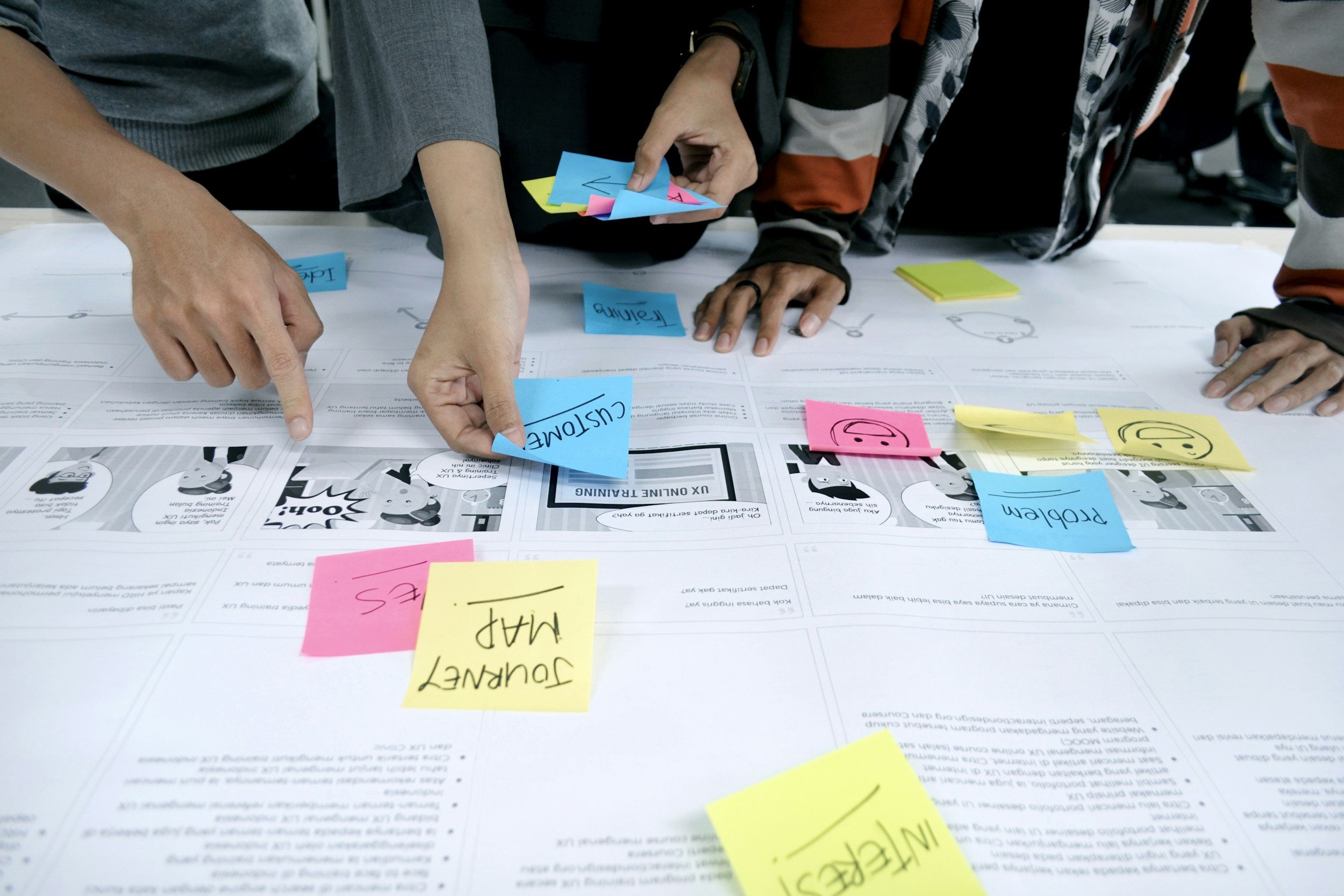
As the sole design researcher, I implemented a futuring methodology and interviews with aspirational consumers and domain experts to stress-test existing assumptions early. Through co-creation workshops and concrete concept testing, we grounded emerging ideas in real consumer reactions to confidently prioritize design opportunities before finalizing the product definition.
04 / The Impact: Alignment & VP-Level Stakeholder Confidence
The initiative successfully grounded the brand's "in China, for China" product definition in culturally specific consumer insights, giving the cross-functional team a shared, evidence-based starting point. This sharpened alignment between research, product, and design gave VP-level stakeholders the confidence to commit to the long-term regional strategy.